James Norwood Pratt at TeaMuse by Adagio Teas

History

A Brief Introduction to Darjeeling

James Norwood Pratt

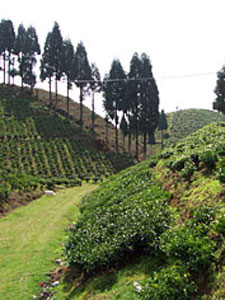
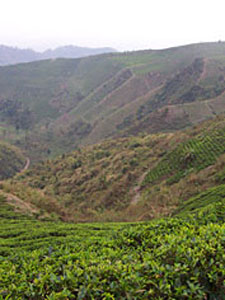
Darjeeling, India’s most fabled tea, is scarce, laborious, and Himalayan in spirit. Grown high on vertiginous slopes from China-type bushes, it yields minute quantities of intensely individual Orthodox black teas. Spring’s First Flush, exquisitely aromatic yet piercingly astringent, commands astronomical auction prices—and devoted pursuit from connoisseurs and merchants alike.

... read more about A Brief Introduction to Darjeeling
History

A Brief History of Tea and Buddhism in China

James Norwood Pratt

Buddhist legend and practice shaped China’s embrace of tea. Monks bearing leaves from India, Bodhidharma’s eyelids, and mountain monasteries united cultivation, ritual, and refinement. Like Catholic wine culture, Buddhism sacralized tea, spreading it as sober clarity, meditation’s ally, and Chan ceremony—until Lu Yu codified this Way of Tea for the wider world.

... read more about A Brief History of Tea and Buddhism in China
History

Tea History: China's Downfall

James Norwood Pratt

From Canton’s cramped waterfront to Mincing Lane’s auctions, tea bound China to an emerging world economy, entwined with opium, silver, sugar, and slavery. China’s unmatched inventiveness birthed tea’s global reign, yet foreign-controlled black tea, addiction, and imperial “free trade” shattered her sovereignty—until Communist China, Inc. reentered world markets with refined green teas.

... read more about Tea History: China's Downfall
History

Tea History During The Industrial Revolution

James Norwood Pratt

Steamships, standardized Assam and Ceylon black teas, and branded blends turned tea into an imperial industrial commodity and social ritual, from Lyons tea shops to Russian samovars. America added its own accidents: Blechynden’s iced tea and Sullivan’s tea bags—mass-market conveniences that transformed consumption while quietly degrading the leaf itself.

... read more about Tea History During The Industrial Revolution
History

Chinese Teaware: Brief Introduction China

James Norwood Pratt

Porcelain, China’s “white gold,” transformed European life: replacing fragile earthenware, ballasted tea ships, flooded chimneys and palaces, and spurred Jingdezhen’s roaring kilns. Bottger’s captivity birthed Meissen; espionage spread the secret to Worcester and Sèvres. From kaolin to bone ash, tea equipage made the finest chinaware an everyday European luxury.

... read more about Chinese Teaware: Brief Introduction China
History

Tea History: Trading Tea for Opium

James Norwood Pratt

British thirst for tea drained silver; opium refilled coffers. The East India Company addicted China while preaching temperance at home, smuggling “foreign mud” past complicit mandarins. Chinese self-deception met British cynicism; war, “free trade,” and Hong Kong followed. Legalization doubled addiction, entwining tea, drugs, empire, and a long white disaster.

... read more about Tea History: Trading Tea for Opium
History

Tea History: Taxation Without Representation

James Norwood Pratt

American colonists, slavishly stylish yet stubbornly constitutional, embraced tea from New Amsterdam to backwoods cabins. A threepenny tax, trivial in purse yet monstrous in principle, collided with “taxation without representation.” Boycotts, Dutch smuggling, and Parliament’s Tea Act brewed crisis, until Boston crowds asked how East India cargo might “mix with salt water.”

... read more about Tea History: Taxation Without Representation
History

Tea History: Coffeehouses & Tea Gardens in England

James Norwood Pratt

Eighteenth‑century England, that most amusing and attractive of societies, steamed with tea and smoked with coffeehouses. In these penny universities, bishops and highwaymen “tossed their minds,” wit was minted, Lloyd’s was born, and sedition murmured. Outside, perfumed tea gardens let ladies, gentlemen, and “fair tea makers” consort beyond class.

... read more about Tea History: Coffeehouses & Tea Gardens in England
History

Tea History: Russia Discovers Tea and a Somovar

James Norwood Pratt

Russia twice spurned tea before the Gobi frontier fixed its fate. Through Usk Kayakhta and Mai-mai-cheng, endless camel caravans swapped furs for cotton and, increasingly, tea. Astronomical prices yielded aristocratic luxury, then imperial caravans, samovars, sugared glasses, and legendary caravan tea—romantically dear, slow as a camel, yet central to Russian life.

... read more about Tea History: Russia Discovers Tea and a Somovar
History

Tea History: Arrival in Europe

James Norwood Pratt

Tea slipped into Europe with Dutch ships and Portuguese precedents, fetching absurd prices yet suiting Vermeer’s affluent burghers. Apothecaries peddled it as medicine; Bontekoe praised prodigious consumption. Doctors thundered doom, mocked Chinese complexions, and decried spoiled leaves. France and Germany flirted, then retreated to wine, coffee, and beer; England and Russia embraced.

... read more about Tea History: Arrival in Europe
History

Tea History: John Company and England

James Norwood Pratt

Spain and Portugal bestrode global trade, yet one captured carrack revealed Asia’s staggering riches to Elizabethan England. Chartered “for the honour of the nation,” the East India Company evolved from daring voyages and fortified factories into a quasi-sovereign empire-builder, ultimately wielding its greatest power through an intoxicating, court-fashionable, world-shaping monopoly: tea.

... read more about Tea History: John Company and England