
Why Tea Tastes Different in Different Cups
Why Tea Tastes Different in Different Cups
You carefully measure your tea leaves, heat the water to the perfect temperature, and steep everything just right. Then you pour your tea into a different cup than usual and suddenly something feels... off. Maybe the tea tastes brighter, smoother, richer, or even slightly duller. It might sound strange at first, but the vessel you drink from can absolutely influence how tea tastes and feels.
Tea lovers have debated this for centuries, and modern sensory science backs up the idea that material, shape, texture, and even the thickness of a cup can subtly change your perception of flavor. The tea itself has not changed, but your experience of it certainly can.
Porcelain Cups: The Neutral Classic
Porcelain is often considered the gold standard for tasting tea because it is relatively non-porous and neutral. In simple terms, porcelain does not absorb flavors or aromas from previous sessions, making it an excellent material for experiencing the tea as clearly as possible.
White porcelain cups are especially popular during professional tea tastings because their light color allows drinkers to observe the liquor's hue and clarity more easily. A delicate green tea may appear vibrant and fresh, while a dark oolong can reveal rich amber tones.
Porcelain also tends to retain heat moderately well without overheating the hands. This balanced heat retention can help preserve aroma while still allowing the tea to cool enough for tasting.
If you want a cup that gives you a clean, straightforward tea experience, porcelain is hard to beat.
Clay Cups and Teapots: Flavor With Memory
Unglazed clay, especially Yixing clay from China, has a legendary reputation in the tea world. Unlike porcelain, clay is porous. Over time, it can absorb tiny amounts of oils and compounds from the tea brewed inside it.
This is why dedicated tea drinkers often use one clay teapot for only one type of tea. A pot used for roasted oolong may eventually enhance and round out those roasted notes over years of use.
Clay also changes heat behavior. It retains warmth extremely well, which can deepen body and texture in teas like shu pu-erh or dark oolong. Some drinkers describe tea from clay vessels as softer, thicker, or more integrated.
Of course, this also means clay is not always ideal for delicate teas. A subtle white tea can sometimes lose its crisp floral edge when brewed or served in heavily seasoned clay.
Glass Cups: A Feast for the Eyes
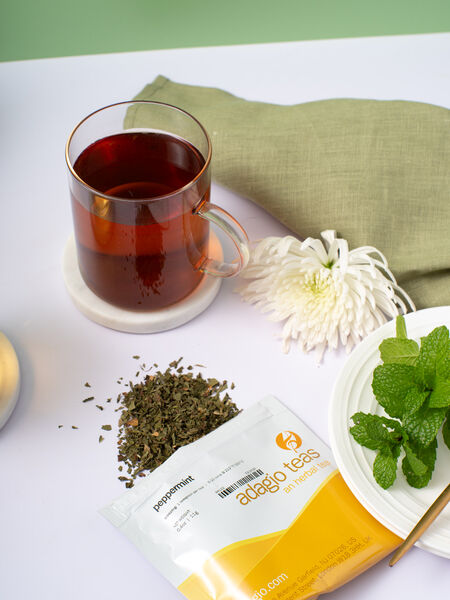
Glass cups offer something unique: visual drama. Watching tea leaves unfurl, especially in blooming teas or whole leaf green teas, becomes part of the experience.
Interestingly, appearance strongly affects flavor perception. Studies show that what we see changes what we think we taste. A tea that looks bright and sparkling in clear glass may seem fresher and lighter before you even take a sip.
Glass itself is fairly neutral, much like porcelain, but it does not retain heat quite as well. This can be helpful for teas that benefit from cooling slightly before drinking, such as green or white teas.
There is also something psychologically refreshing about glass. The clean transparency often makes iced teas, herbal blends, and colorful infusions feel more vibrant and modern.
Cast Iron: Warmth and Weight
Cast iron teaware, inspired by traditional Japanese tetsubin, creates an entirely different atmosphere. These vessels hold heat exceptionally well, keeping tea warmer for longer periods.
That sustained warmth changes the drinking experience. Aromas continue rising steadily from the cup, and the tea maintains a fuller body as it stays hot.
The physical weight of cast iron also affects perception. Heavier cups can make a tea feel more substantial and luxurious. It is not just about flavor compounds. Texture, balance, and even how a cup feels in your hand contribute to the ritual.
Many people instinctively reach for cast iron mugs during colder months because they create a cozy, comforting experience that lighter materials simply cannot replicate.
Why Cup Shape Matters Too
It is not only the material that changes tea perception. Shape plays a surprisingly important role as well.
Wide cups allow more aroma to escape quickly, making fragrant teas feel expressive and bold. Narrow cups concentrate aroma upward, which can intensify floral or roasted notes.
Thin rims also influence how tea flows onto the tongue. A delicate porcelain rim may make tea feel lighter and more refined, while a thick ceramic mug can create a heartier, more casual sensation.
Even the size of the cup changes pacing. Small gong fu cups encourage slow sipping and attention to detail, while oversized mugs invite comfort and relaxation.
The Experience Is Part of the Flavor
Tea tasting is never purely chemical. It is sensory, emotional, and deeply tied to environment and ritual. The cup you choose changes heat, aroma, texture, appearance, and even your expectations before the tea touches your lips.
That does not mean there is one "best" cup for every tea. Sometimes a crisp porcelain cup highlights the complexity of a first flush Darjeeling perfectly. Other times, a heavy clay cup transforms a dark roasted oolong into something velvety and grounding.
The fun comes from experimenting. Try brewing the same tea and serving it in porcelain, glass, and ceramic side by side. You may be surprised by how different each cup feels, even when the tea itself stays exactly the same.
After all, tea is not just about what is in the cup. Sometimes it is about the cup itself.