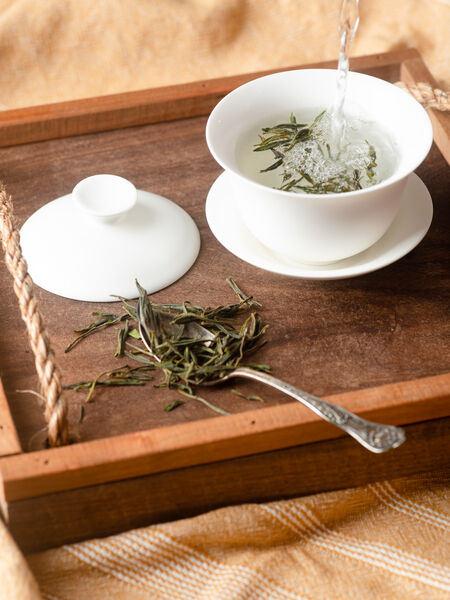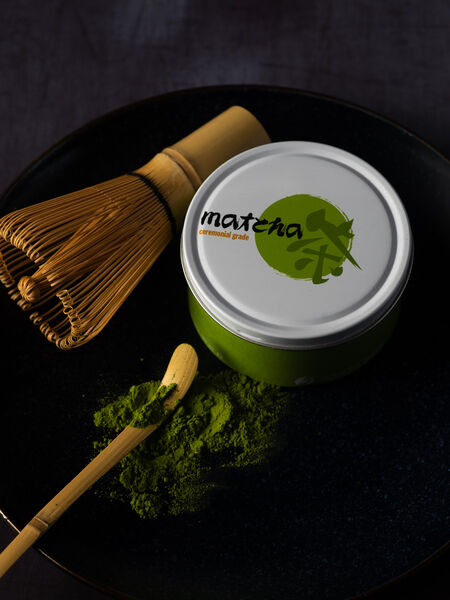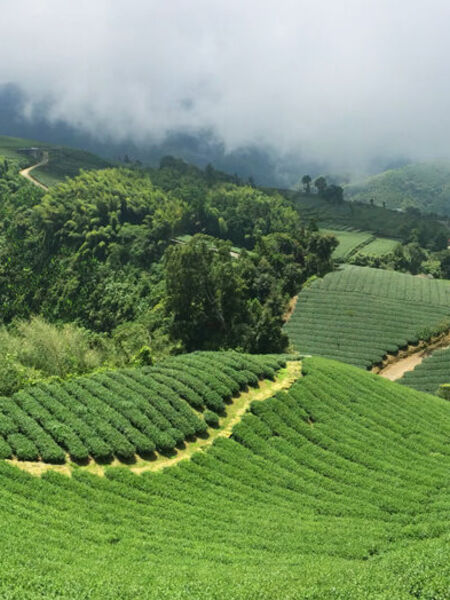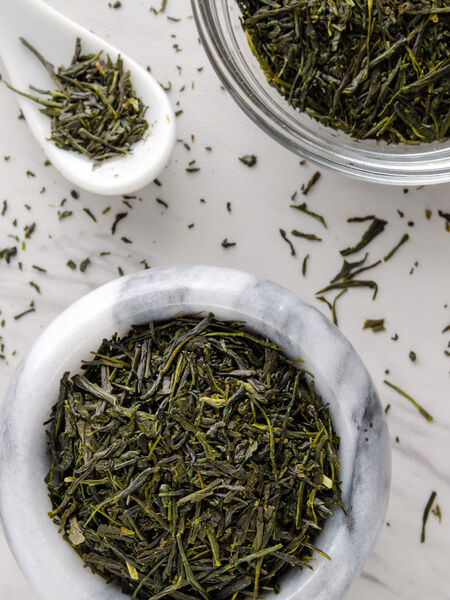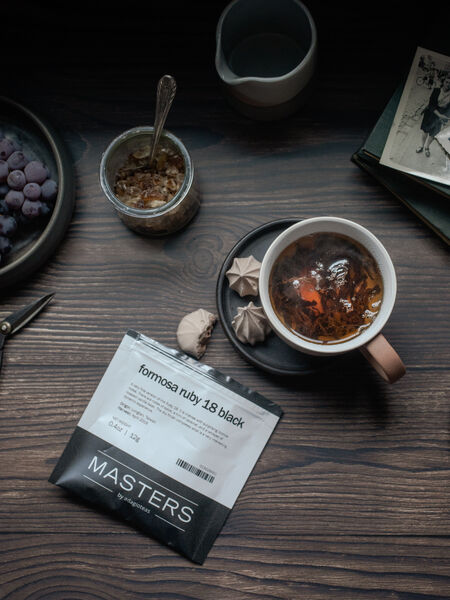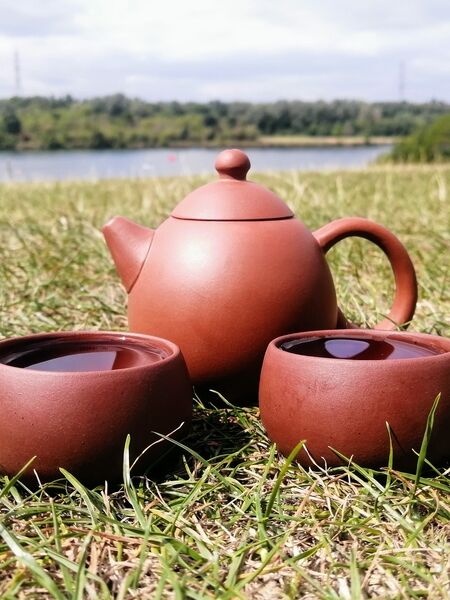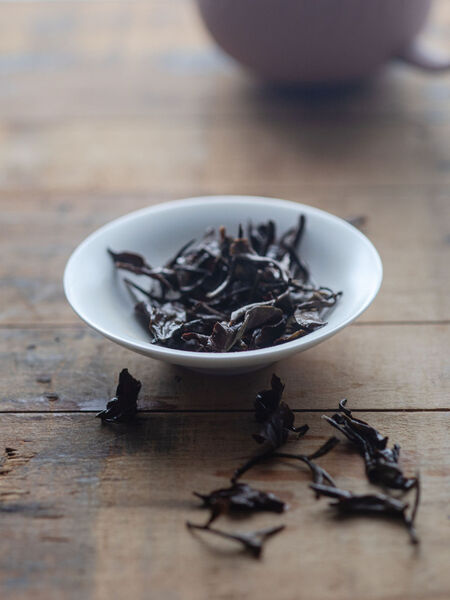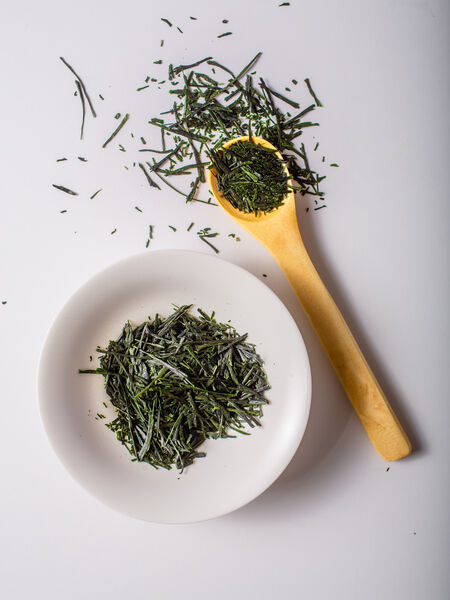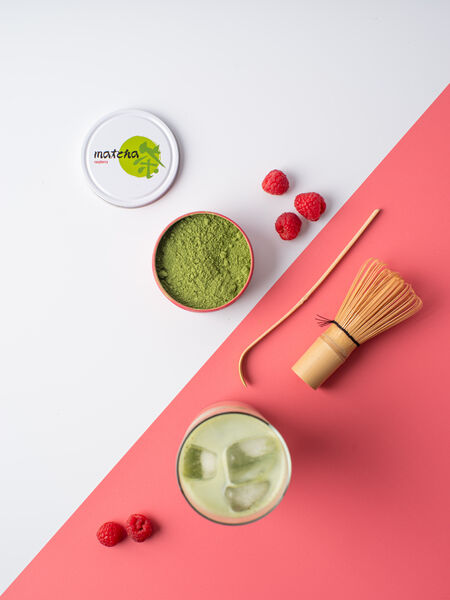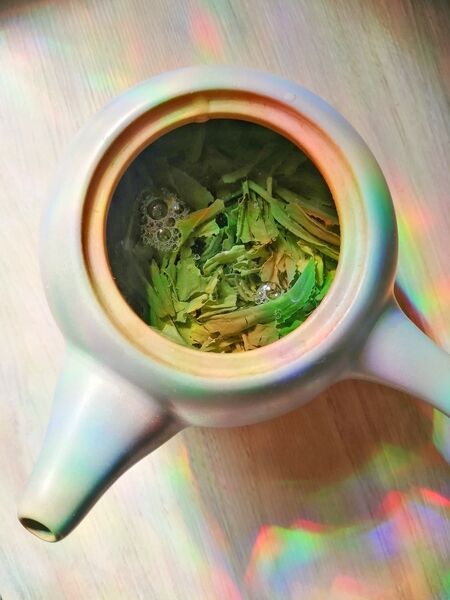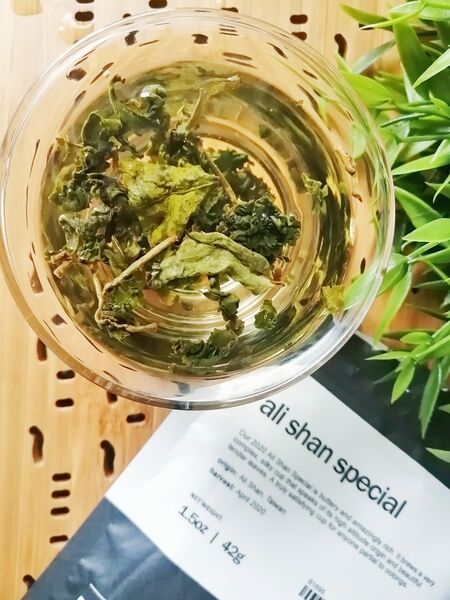
Profile Gyokuro Shincha is a lovely first harvest of the year from the Shizouka foothills of Mount Fuji. The dry leaf aroma offers soft, cozy, nut-like umami and hints of sweetness. In the cup, it is complex and yet subtle. Whispers of sweet grass and clover, soft nuttiness and a breathy, semi-crisp floral finish delight the palate. Harmonious and well-balanced.

Gyokuro vs Sencha: A Guide to Japanese Green Tea

Kimberley K

Shizuoka’s emerald hills yield two kindred yet distinct treasures: shaded, once-yearly Gyokuro, hand-picked, meticulously sorted, brothy and umami-rich; and sun-bright Sencha, broadly harvested, lightly steamed, fresh, grassy, delicately floral. Differing in shading, processing, texture, aroma, and price, both beautifully express Japan’s green tea craft and seasonal Shincha splendor.

... read more
Profile IDiscover our array of authentic yixing teapots. Each is handcrafted and designed for gongfu steeping.

Best Clay Teapots for Gongfu Style Brewing

Kimberley K

Choosing a gongfu clay teapot means balancing clay type, production, capacity, functionality, aesthetics, and feel. Match clay’s mineral character to your tea, favor fast, clean pours, and right‑sized volumes. Handmade Yixing and related clays reward careful selection, ensuring comfort in hand and a softened, expressive cup every session.

... read more
Profile Darjeeling - the "champagne of tea" with its complex cup, is best appreciated when the newest harvest, or "first flush" arrives in early spring. Our selection for this year is again from the beautiful Rohini estate and grown at 2500 feet from the early producing BB157 cultivar. A cool March has developed wonderful floral notes in a blossomy cup with a gentle finish. Hints of classic muscatel peek through as it cools while this tea lingers on the palate - a wonderful reminder of spring after a long grey winter. Only available limited quantities and best enjoyed fresh from the garden so order soon!

Tea Picking Standards: China, Japan, India

Kimberley K

Tea’s soul lies in the pluck. Across China, Taiwan, Japan, and India, seasons, flushes, and leaf-bud ratios—single bud, 1+2, or coarse lower leaves—shape flavor, aroma, and value. Hand-picking yields nuanced cups, from Darjeeling’s spring blossom to roasted Tie Kuan Yin, guiding connoisseurs toward truly masterful teas.

... read more
Culture Dating back to the Ming Dynasty, the gaiwan is a traditional brewing vessel that literally translates to "lid and bowl". Our Classic Gaiwan is made of white glazed porcelain and consists of three parts: a saucer, bowl, and lid. The gaiwan is a preferred brewing vessel for loose teas as it allows for the appreciation of delicate aromas emanating from the fragrant leaves.

Tea Tasting Made Easy: Notes, Flavor, and Aroma

Kimberley K

Comparison tastings refine the tea lover’s palate through side‑by‑side brews in small Ming‑era gaiwans, emphasizing aroma, liquor, and mouthfeel. Carefully chosen similar teas—contrasting terroir, cultivar, or quality—are identically brewed, sipped sequentially, and meticulously noted from dry leaf to wet leaf, revealing nuanced differences and deepening appreciation.

... read more
Drinks & Eats Image Caption

Best Ways to Store Japanese Teas and Matcha

Kimberley K

Properly stored Japanese teas reward care. Shield leaves and matcha from oxygen, light, moisture, aromas, heat, and humidity. Refrigerate sealed packets; once opened, use quickly, sealing in airtight tins and darkness. Matcha demands fastest consumption and cautious chilling. Non‑green teas tolerate more, yet still benefit from thoughtful protection.

... read more
Enjoyment Dating back to the Ming Dynasty, the gaiwan is a traditional brewing vessel that literally translates to “lid and bowl”. Our Classic Gaiwan is made of white glazed porcelain and consists of three parts: a saucer, bowl, and lid. The gaiwan is a preferred brewing vessel for loose teas as it allows for the appreciation of delicate aromas emanating from the fragrant leaves.

A Step-by-Step Guide to Tea Tasting Notes

Kimberley K

Tea tasting is an intimate, detailed practice: trust your senses, lower your guard, and seek flavor with focused attention. Observe aroma, appearance, taste, and feel through every steep. Describe changes, memories, textures, and aftertastes richly. Thoughtful notes preserve experiences, guide purchases, and deepen connection with fellow tea lovers.

... read more
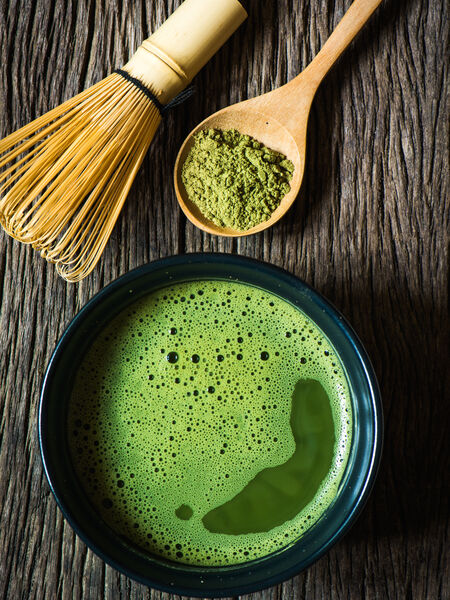
Profile Chasens are produced using one piece of bamboo and creating them is a long process that is usually taken on by one person completely by hand.

Chasen 101: The Essential Matcha Whisk Guide

Kimberley K

A chasen is a hand-carved bamboo whisk essential for preparing creamy, frothy matcha. Crafted from a single piece with varied tine counts, it aerates tea without affecting flavor. Proper soaking, gentle rinsing, stand-drying, and mindful storage preserve its delicate tines, embodying tea ceremony purity and meditative morning ritual.

... read more
Culture matcha per cup (or to taste) in a cup, adding a few drops of hot water (160-180F) and stirring with a spoon until a paste forms. Add the rest of the water and stir.

Matcha Teaware Guide: Whisks, Bowls & More

Kimberley K

Matcha, stone-ground from shade-grown gyokuro, is the heart of chanoyu: a spiritual, wabi-infused art shaped by Murata Shuko, Takeno Joo and Sen no Rikyu. Using chawan, chasen, chashaku, caddies, kettles, ladles and ritual cloths, each utensil harmonizes humility, season, and aesthetic—yet home practice begins simply.

... read more
Profile A quick, economical alternative to bottled water for better tasting tea. Removes up to 80% of chlorine and 70% limescale from tap water in seconds, dramatically improving the taste of tea and other beverages. It's also very quick, removing impurities at twice the speed of similar products. The cost savings are even more impressive. Its 60-day filters (one included free) will save you 90% of the cost of bottled water. A digital indicator will signal when these should be changed.

The Best Water for Brewing Perfect Tea

Kimberley K

Tea deserves better than raw tap water. Impurities, minerals and chlorine mute aroma, flatten texture and add harsh bitterness. Filtered water, ideally in a “Goldilocks” mineral range, reveals delicate notes, protects your kettle and saves money versus bottled water. Start simple—then refine your filtration as your tea journey deepens.

... read more
Profile Image Caption (plain text only)

Taiwan Tea Spotlight: Wen Shan Pouchong

Kimberley K

New Taipei, embracing Taipei’s fringes, carries two centuries of tea craft, crowned by Pinglin’s Baozhong / Pouchong and its vast Tea Museum. Here, farmer Su Wen‑Song tends early-spring Wen Shan Pouchong, a delicately oxidized oolong of lilac, gardenia, vanilla and river rock, thriving through meticulous fermentation and mindful brewing.

... read more
Profile Our 2022 sencha is revered. Hailing from Shizouka Prefecture, home of Mount Fuji, this tea was masterfully grown and processed to yield complexity in the form of sweet grass, warming nut notes, and the lingering nuance of apricot blossoms. Sip slowly and sit quietly with this tea to fully enjoy its riches.

Senchadō: Japan’s Way of Sencha Tea

Kimberley K

Sencha’s asamushi shimmer captures Shizuoka’s mountain light—sweet grass, warm nuts, apricot blossom drifting in steam. In this spirit moves Senchadō: Ingen’s verse, Baisao’s roadside kettle, Meiji gatherings. Loose leaves, shared conversation, multiple infusions, subtle sweets. A relaxed, reverent way of tea, quietly enduring beside formal chanoyu.

... read more
Profile Ruby #18 is a unique cultivar from Taiwan, and a relatively new invention, only surfacing in the late twentieth century after over fifty years of research. A cross between a wild Formosa tea plant and an Assam from Burma, it was developed specifically with the intent to make phenomenal black tea.

Taiwan Ruby 18 Black Tea: Rich and Complex

Kimberley K

Long Tan, once a thriving black tea hub, now shelters Fuyuan Tea Factory and its living heritage of Hakka craftsmanship and European machines. Here, Ruby #18—Formosa’s Red Jade hybrid—unfurls caramel, spice, and camphor depths, lovingly plucked by Bao Zhu Fan, and brewed forgivingly western, gongfu, or grandpa-style.

... read more
Enjoyment Discover Master's Teas array of authentic yixing teapots. Each is handcrafted and designed for gong fu brewing inside or out.

Gongfu Tea Outdoors: What to Pack & Brew

Kimberley K

Savor tea outdoors with gongfu grace: secure a flat surface, sit comfortably, cushion fragile teaware, and carry towels and leaf containers. Choose forgiving oolongs or hardy greens, pre‑measure leaves, and pack boiling water in a preheated thermos. Match teas to landscape and season for a fully immersive, memorable session.

... read more
Profile This rare Formosa Superior Fancy Bai Hao is a true treat for the senses. The leaves are quite tippy with a fragrant bouquet when dry. Once brewed the cup is one of peach blossoms with a lingering honey note.

Wen Shan Teas: Taiwan’s Northern Oolong Region

Kimberley K

Wen Shan, Taiwan’s northern cradle of tea, marries misty 800-meter peaks, fertile soils and four seasons into exquisite oolongs. From bug-bitten, honeyed Oriental Beauty to richly roasted Muzha Tie Guan Yin, family gardens craft complex, gongfu-ready cups—living proof that Taiwan’s small-scale oolong tradition yields singular, world-class character.

... read more
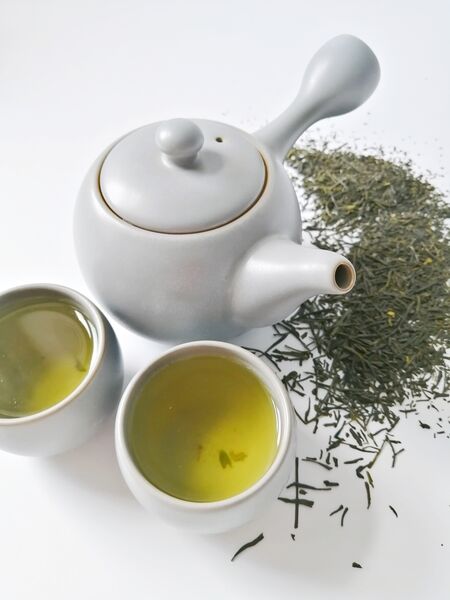
Profile Gyokuro plants are shaded from the sun for several weeks. This slows the growth allowing tea leaves more time to develop depth and flavor. The sun-deprived leaves are higher in chlorophyll, which explains their vivid green color. They're also higher in amino acids, most notably L-theanine, which accounts for the perfectly smooth, rich and soft flavor.

Gyokuro, the Jewel of Japanese Green Tea
Kimberley K

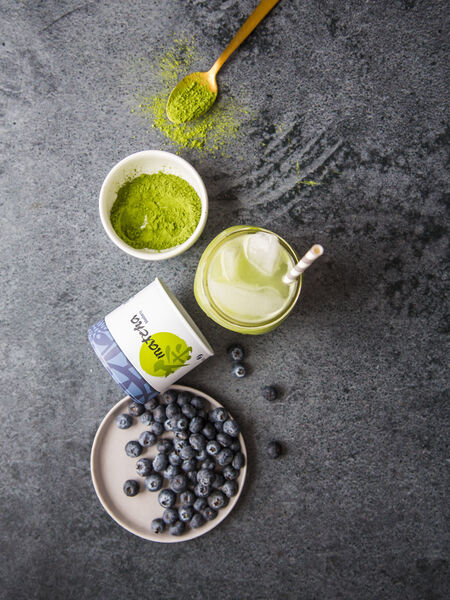
Gyokuro, “Jade Dew,” is Japan’s champagne of green tea: laboriously shade-grown, delicately harvested, lightly steamed, and patiently rolled for vivid color, L-theanine-rich sweetness, and deep umami. Brewed cool or by melting ice, in tiny cups and attentive steeps, it reveals evolving layers of savory richness, floral freshness, and lingering sweetness.

... read more
Profile Shop online with Adagio for fine traditional and flavored matchas sourced directly from Japanese artisan farmers and brimming with antioxidants.

Matcha Tea Guide: Origins, Farming, and Rituals

Kimberley K

Born from Chinese Zen monks, perfected by Eisai in Japan, matcha is a shaded, stone‑ground green tea “elixir of the immortals.” Terroir, cultivar, and meticulous shading craft its sweetness and umami. From usucha and koicha to lattes, cakes, and Uji ceremonial bowls, matcha’s versatility rewards quality and care.

... read more
Health & Beauty Find symptom relief with the help of peppermint and chamomile the next time a migraine hits.

Matcha, Ginger & Peppermint for Migraine Relief

Kimberley K

Migraines burden millions worldwide, with pain and symptoms varying widely, so relief often demands experimentation. Beyond medication, tea and herbal tisanes offer hydration, comfort, and potential support: matcha and oolong for some caffeine-responsive migraineurs; ginger for nausea and inflammation; peppermint for tension and stomach upset; chamomile for nervous-system calming, sleep, and reduced stress.

... read more
Profile Shincha - 新茶 or "new tea" refers to the first flush of tea leaves harvested after the dormant winter months.

Fresh Shincha: Japan’s First Flush Green Tea

Kimberley K

Shincha, Japan’s fleeting first flush, is spring’s sweetest whisper in the cup: tender top leaves, rushed from harvest to steam, bruise, shape and hi-ire roast. Rich in amino acids, low in bitterness, vividly green and rain-kissed, it offers ephemeral umami freshness demanding immediate, careful brewing and reverent enjoyment.

... read more
Profile Master's Teas Ali Shan Special is buttery and amazingly rich. It brews a very complex, silky cup that speaks of its high altitude origin and beautiful tender leaves.

Ali Shan Oolong: A Taste of High Mountain Tea

Kimberley K

Ali Shan high mountain oolong, born of misty Taiwanese peaks and hand-plucked leaves, marries altitude, soil and climate into buttery, floral richness. Lightly oxidized, ball-rolled, and delicately fired, it yields orchids, cream and fruit. Brew gongfu in porcelain, follow the liquor’s color, and savor its long, sweet aftertaste.

... read more
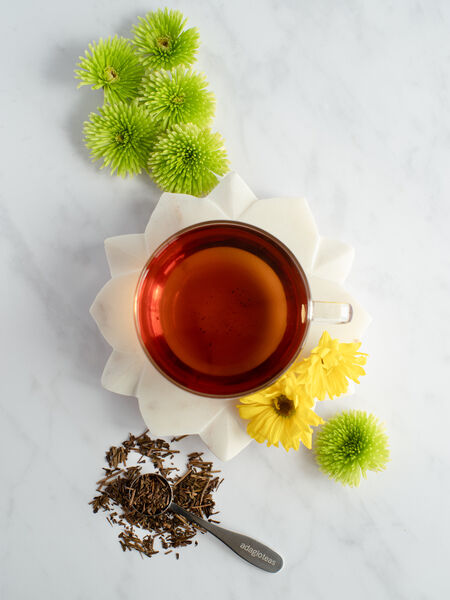
Profile In addition to helping a lot of minimizing wastefulness, the pleasant aroma of roasting Hojicha, they were enchanted by its character.

Hojicha: Roasted Japanese Green Tea Delight
Kimberley K

Born from Kyoto frugality, Hojicha transforms leftover green tea leaves, stems, and twigs into a low-caffeine, charcoal-roasted marvel. Brewed hot or cold, it yields caramel, chocolate, coffee, and roasted rice notes, creamy sweetness, and toasty nuttiness. Easily prepared, endlessly versatile, even homemade roasting revives tired teas beautifully.

... read more
Profile While Omotesenke do not whisk matcha but the aim is to have about 50% foam and 50% not foam, producing windows into the tea and creating what looks like a pond or a lake, hence the name pond style whisking.

Omotesenke’s Pond Style: Matcha Whisking Tips

Kimberley K

Omotesenke’s pond-style matcha softens obsession with thick froth, favoring tranquil lakes of 50% foam, 50% exposed tea. Using simple, balanced utensils and slow, gentle whisking, it reveals deeper usucha complexity. Contrasted with Urasenke’s creamy green sea, this approach reorients attention from showy foam toward contemplative flavor and practice.

... read more
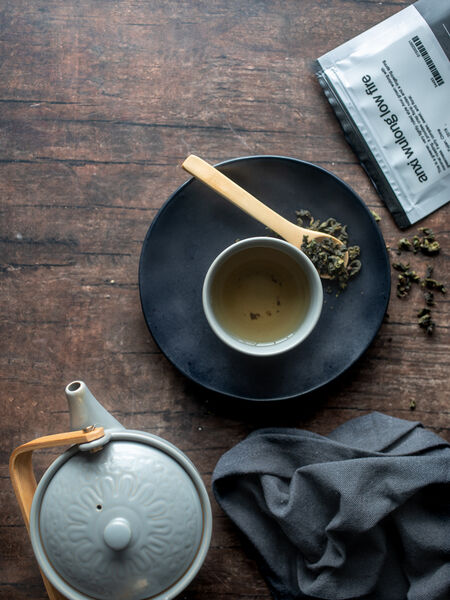
Opinions Anxi Wulong Low Fire offers a complex floral flavor, lightly sweet and crisp. A perfect choice for while it’s still cold outside and the magic of the holidays is in the air.

Masters Teas Gift Guide: Pu-Erh to Oolong

Kimberley K

Masters Teas’ holiday gift guide celebrates traditional tea lovers with thoughtfully chosen yixing teapots for oolong or Pu-Erh, rich shou and nuanced sheng Pu-Erh, and a Fujian sampler featuring floral Anxi Wulong and aromatic jasmine pearls. Honorable seasonal blacks and oolongs promise lingering warmth beyond the festive winter chill.

... read more
Opinions Though green tea leaves into a powder and mixing it directly into water.

Matcha Tea for Focus, Calm, and Meditation

Kimberley K

Born in ninth‑century China, Matcha traveled with Eisai to Japan, where Zen monks embraced its “elixir of the immortals” focus. Its caffeine, L‑theanine and antioxidants sustain calm alertness, echoing meditation’s alpha waves. Preparing Matcha slowly, with chawan and chasen, becomes a soothing daily ritual—especially powerful for chronic pain and mindfulness.

... read more
Profile The best ways to prepare it - As I have said throughout all of my posts for this on-going series it is always best to prepare traditional Japanese teas in teaware that is also traditional to them, like this kyusu.

Sencha Tea Guide: Japanese Origins and Preparation

Kimberley K

Sencha, Japan’s beloved green tea, is sun-grown, first- or second-flush, steamed briefly, then rolled into vivid needlelike leaves. Regional origins, cultivars, steaming levels, and blending define its aroma and flavor. Brew gently in warmed Japanese teaware at 70–80°C for one minute, savoring multiple infusions or a refreshing cold brew.

... read more
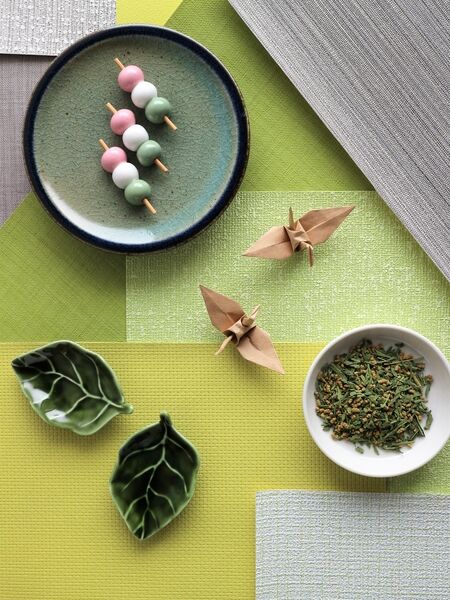
Profile Adagio offers two versions of their Genmaicha on their Masters Teas site.

Genmaicha: Japan’s Toasted Rice Green Tea

Kimberley K

Genmaicha, “roasted rice tea,” carries legends from samurai mishaps to thrifty housewives, but likely rose from 1900s hardship. Once a humble Bancha blend, it now features Sencha, Gyokuro, even Matcha, with carefully roasted Mochi rice. Brewed in a Kyusu with short steeps, it yields comforting, toasty, verdant cups.

... read more
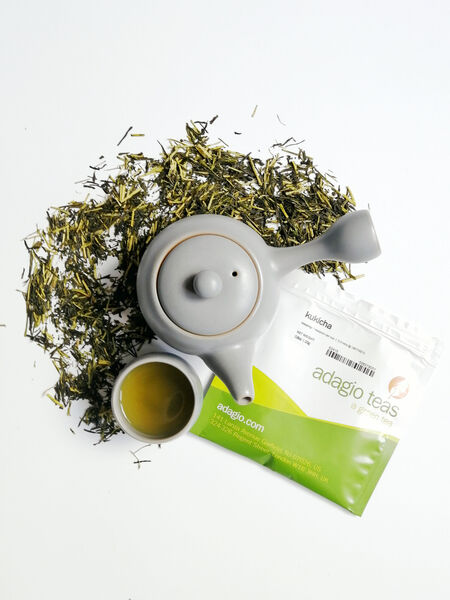
Profile Kukicha is produced using the leaves, twigs and stems of the tea plant.

What Is Kukicha? Japan’s Unique Green Tea

Kimberley K

Kukicha, the humble stem tea of Japan, is a delicately sweet, low-caffeine treasure crafted from leaves, twigs, and stems left from Sencha or Gyokuro. Mild, low in bitterness, and wonderfully forgiving to brew hot or iced, it transforms “second grade” harvests into soothing, everyday cups worth rediscovering.

... read more
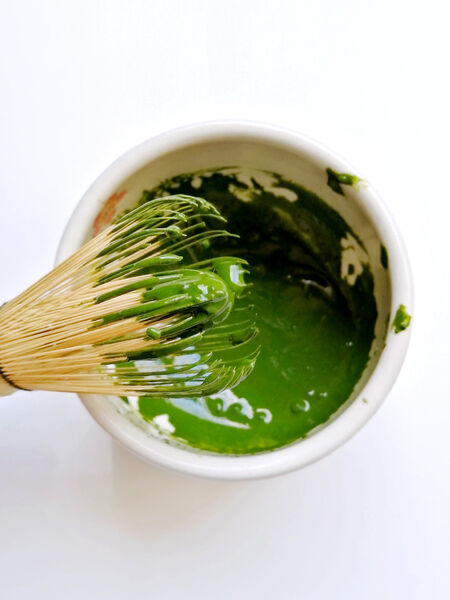
Profile Did you know that there are two ways in which you can prepare Matcha?

Usucha vs Koicha: Two Ways to Make Matcha

Kimberley K

Matcha can be prepared as frothy usucha or concentrated koicha. Koicha doubles the powder, halves the water, and is gently kneaded, yielding a glossy, syrupy, umami-rich bowl with surprising sweetness. Best made from top-grade mukashi matcha, koicha also shines over desserts, affogato-style, or as vivid edible “paint.”

... read more