
Reading Between the Leaves: How to Decode Your Tea
Adagio TeasThink you know what's in your teacup? Learn how to decode tea labels like a seasoned pro and never get steeped in confusion again.
... read more
Think you know what's in your teacup? Learn how to decode tea labels like a seasoned pro and never get steeped in confusion again.
... read more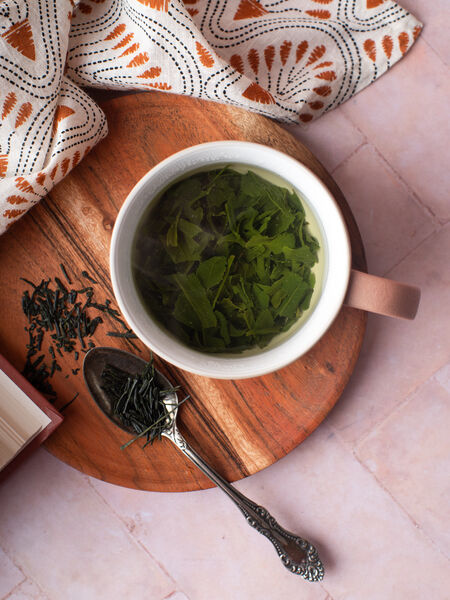
Discover the unique characteristics of Gyokuro and Sencha teas as we delve into their cultivation, processing, and flavors to help you choose your perfect Japanese green tea!
... read more
Discover the rich history, health benefits, and bold flavors of cinnamon as we explore how this beloved spice elevates your favorite winter teas.
... read more
Curious about the difference between high tea and afternoon tea? It’s time to clear up the confusion and discover the true traditions behind these two iconic British tea times!
... read more
Discover five fruity tea blends that will help you savor the flavors of summer while gearing up for the cozy days of fall!
... read more
Discover a delightful vegan afternoon tea menu with delicious plant-based treats, from scones to savory sandwiches, perfect for any tea gathering.
... read more
Discover the secrets to selecting the perfect clay teapot for gongfu style brewing and elevate your tea experience to a whole new level!
... read more
Discover the hidden art of tea picking and learn how it shapes the quality and flavor of your favorite brews!
... read more
Discover the secret to unlocking the hidden depths of your favorite teas through the thrilling world of A-B tasting—where every sip reveals a new twist!
... read more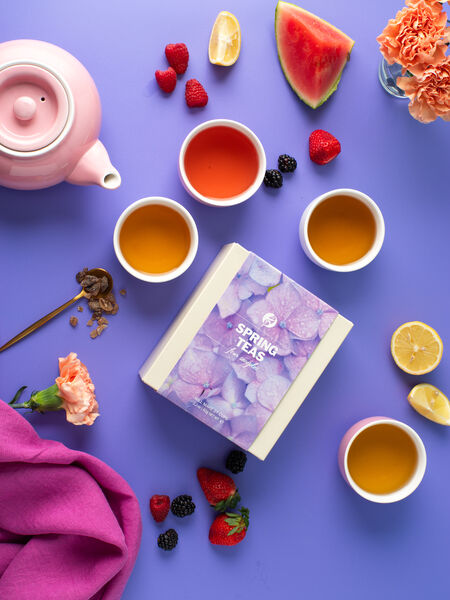
Gift ideas in the upcoming busy season for Brides, Grads, and Parents
... read more
Unlock the secrets to preserving the vibrant flavors of Japanese green teas and elevate your tea-drinking experience to new heights!
... read more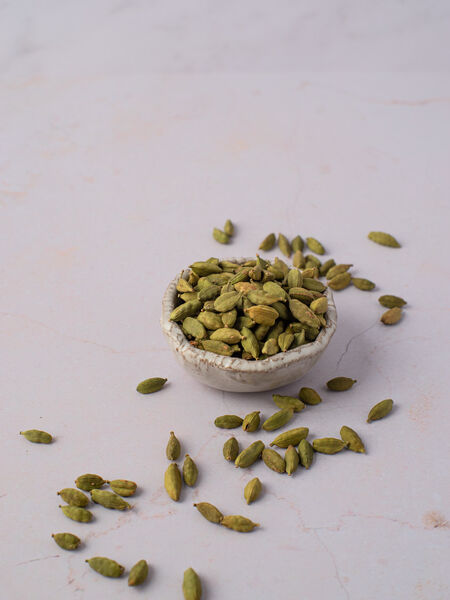
Let's dig in on cardamom and find some lovely teas that bring out this enchanting flavor.
... read more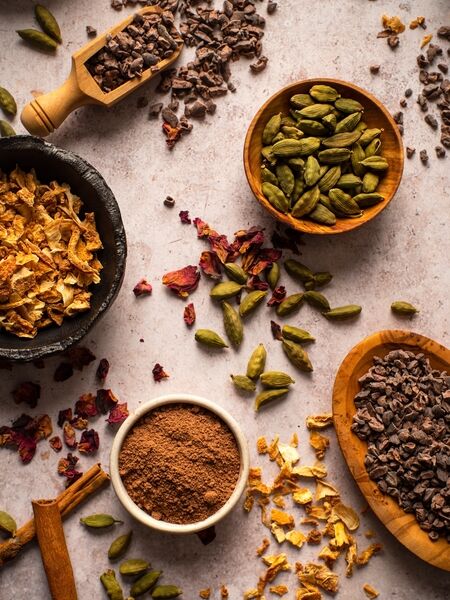
This holiday season, warm up to the magic of DIY Holiday Tea Blends! Dive into a world of aromatic spices, fragrant herbs, and sweet dried fruits as we guide you through crafting your very own festive infusions. Discover the joy of creating personalized holiday teas that will delight your taste buds and add a dash of warmth to your winter gatherings.
... read more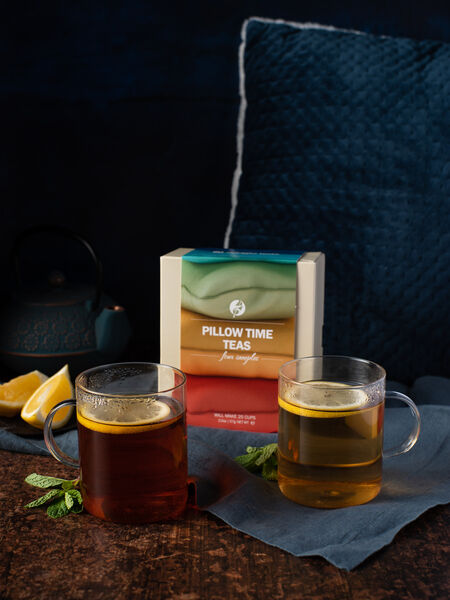
It's the holiday season and gift giving is afoot. Here are some sampler recommendations for the tea lover in your life!
... read more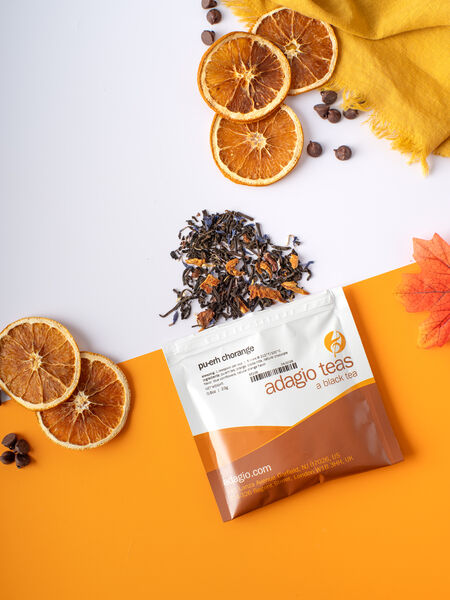
Thanksgiving will be here faster than you know it! Prepare with these five teas.
... read more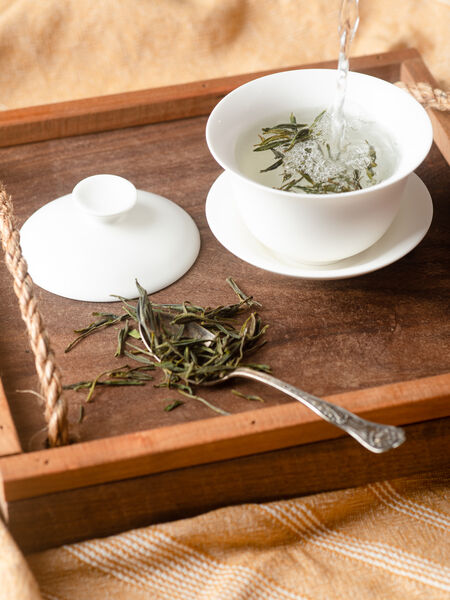
As you grow your tea collection, you may wish to document thorough tea tasting notes. Use this guide to start your tea tasting adventure!
... read more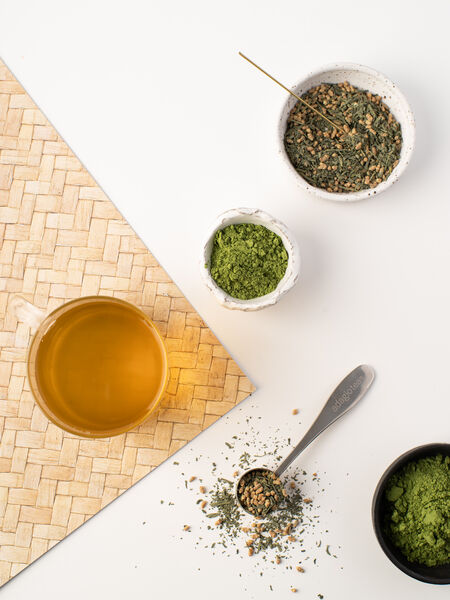
Spooky season is upon us! Check out these teas to chill out and cozy up with.
... read more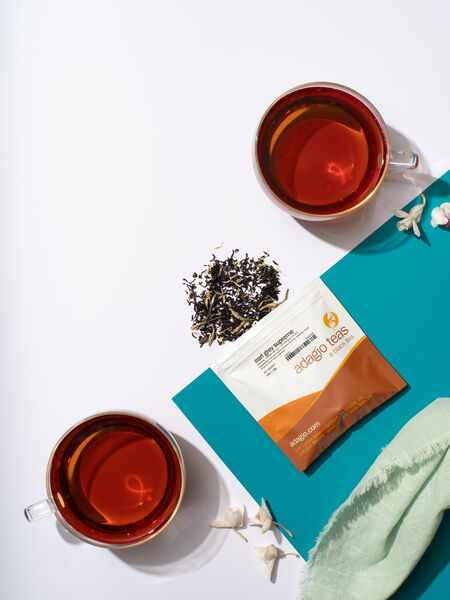
Everything you could possibly want to know about this new Earl Grey tea, as well as the history of how Earl Grey came to be!
... read more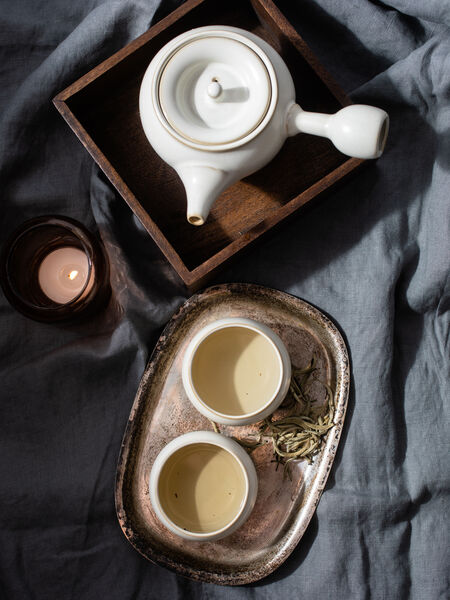
This guide will teach you everything you want to know about a kyusu and how to use it!
... read more